Jab Doctor Ne Kaha “Aap thik hai, sab Report Normal Hai” — Par Aap Theek Mahsoos Nahi Ho Raha
Kabhi aisa hua hai ke aap doctor ke paas gaye, sab tests normal aaye, lekin body mein kuch na kuch “off” feel hota raha?
Thakaan jo jaati nahi. Haazma jo settle nahi hota. Mood jo stable nahi rehta. Neend jo poori nahi hoti. Peeth jo kbhi acche se saaf nahi hota.
Modern medicine kehti hai: “Reports normal hain, chinta mat karein.”
Unani medicine poochti hai: “Aapka mizaj kya hai? Aapke akhlat mein kya imbalance hai?”
Yahi farq hai in dono systems mein. Aur yahi wajah hai ke aaj bhi — centuries baad — Unani medicine sirf Pakistan aur India aur bangladesh nahi, balki duniya bhar mein ek serious medical system ke tor par practice ki jaati hai.
Is article mein hum samjhenge:
- Unani medicine kya hai aur kahan se aayi
- Akhlat (Four Humors) ka concept kya hota hai
- Mizaj kya hota hai aur aapka mizaj kaun sa hai
- Unani ke mutabiq bimari kaise hoti hai
- Aur is system ki prevention philosophy kya hai
Ye article UnaniHealthGuide ka foundational piece hai — agar aap pehli baar Unani seekh rahe hain, to ye aapka starting point hai.
Unani Medicine Kya Hai? (Simple Definition)
Unani medicine ek classical, holistic medical system hai jo:
- Insaan ke jism ko ek complete system ki tarah dekhta hai
- Sirf symptom treat nahi karta — root cause dhundhta hai
- Natural balance restore karne par focus karta hai
- Har insaan ko unique maanta hai — ek hi bimari mein alag alag ilaj ho sakta hai
Unani ka naam actually country “Yunaan” (Greece) se aaya hai — kyunki is system ki foundation ancient Greek medical philosophy par rakhi gayi hai.
💡 Simple analogy: Agar modern medicine ek “repair shop” hai jo kharaab parts fix karta hai — to Unani medicine ek “maintenance system” hai jo gaadi ko kharaab hone se pehle hi theek rakhta hai.
Unani Ki Tarikh — Kahan Se Aayi Ye System?
Greece Mein Buniyaad
Unani medicine ki roots ancient Greece mein hain. Is system ko formally develop karne mein ek naam sab se important hai:
Hippocrates (460–370 BC)
Jinhe “Father of Medicine” kaha jaata hai. Hippocrates ne medicine ko us zamane ke superstitions aur jadoo-tona se alag karke ek rational, observation-based approach diya.
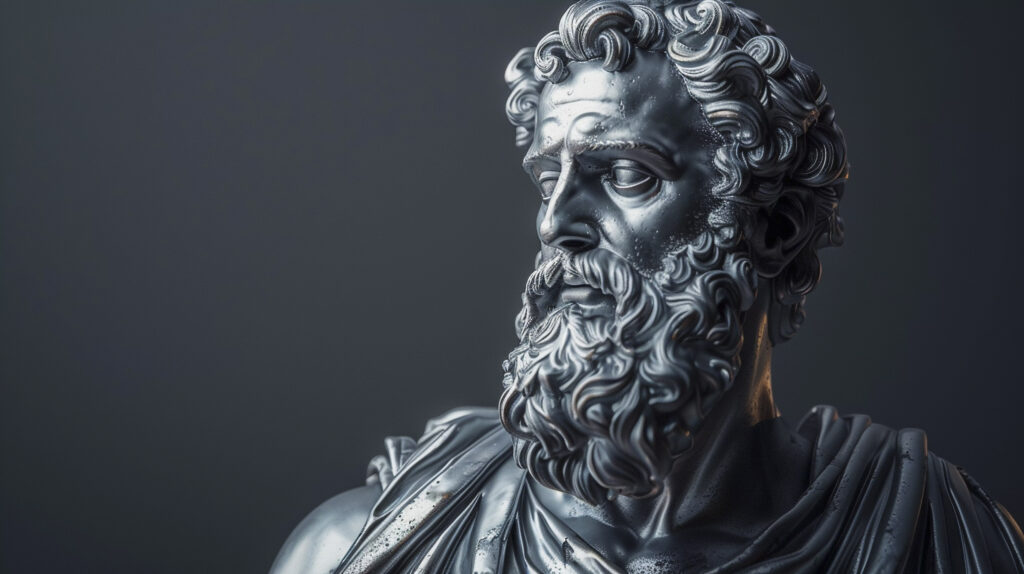
Unki core teaching thi:
“Nature itself is the best physician.”
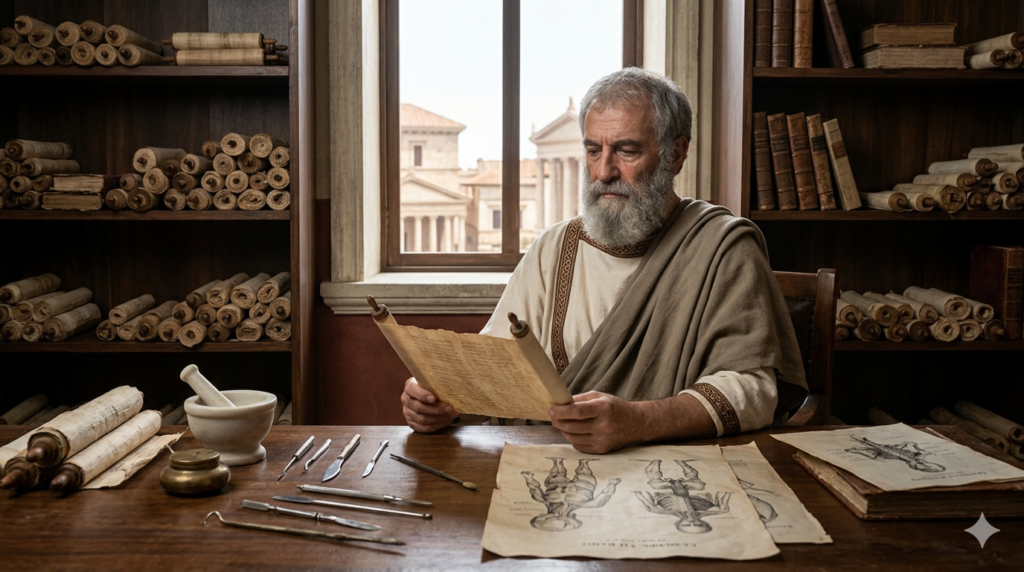
Iske baad Galen (129–216 AD) ne is theory ko aur develop kiya — khaaskar Akhlat (Humors) theory ko systematic form diya.
Arab Duniya Mein Farogh
Greece ke baad ye system Arab scholars ke haath mein aaya. Yahan iska naam Unani (Yunani) pada. Sabse bada naam is period ka hai:
Ibn Sina (Avicenna) — 980–1037 AD
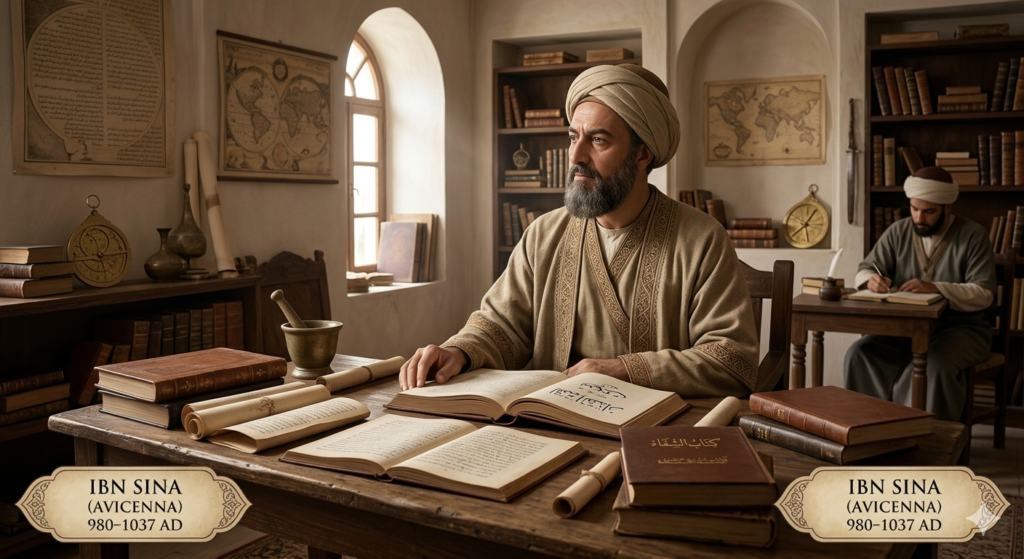
Jinki kitaab “Al-Qanun fi al-Tibb” (The Canon of Medicine) ne sadion tak medical schools mein textbook ki tarah kaam kiya — Europe tak mein. Ye ek aisa scholar tha jisne Greek theory ko Arabic aur Islamic scientific tradition ke saath blend kiya.
India Mein Unani Ka Safar
13 th aur 14th sadiyon mein Arab aur Persian scholars ke saath Unani medicine India pahunchi.
India mein aakar:
- Local climate aur diseases ke hisaab se adapt hui
- Indian herbs aur local knowledge se enriched hui
- Hakim Ajmal Khan, Hakim Daud jaise Indian Unani scholars ne ise aur develop kiya
Aaj ke India mein:
- Ministry of AYUSH Unani ko officially promote karti hai
- Hazaron registered Unani clinics aur hospitals kaam karte hain
- CCRUM (Central Council for Research in Unani Medicine) research karta hai
- Dedicated Unani Medical Colleges graduates produce karte hain
Unani Ka Scientific Base: Akhlat Theory (Four Humors)
Ye Unani medicine ka central pillar hai. Samjhiye dhyan se.
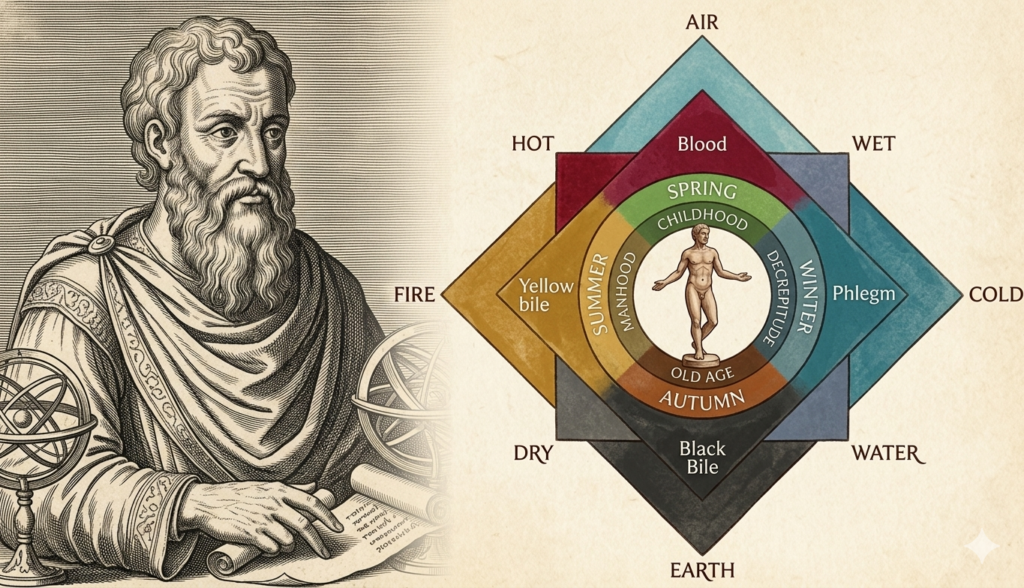
Unani ke mutabiq insaani jism mein 4 basic fluids (Akhlat) hote hain jo milkar body ke functions control karte hain:
| Akhlat | English Name | Mizaj (Nature) | Primary Organ | Season |
|---|---|---|---|---|
| Dam | Blood | Garam & Tar (Warm & Moist) | Dil (Heart) | Bahar (Spring) |
| Balgham | Phlegm | Sard & Tar (Cold & Moist) | Dimaag (Brain) | Sardi (Winter) |
| Safra | Yellow Bile | Garam & Khushk (Warm & Dry) | Jigar (Liver) | Garmi (Summer) |
| Sauda | Black Bile | Sard & Khushk (Cold & Dry) | Tihaal (Spleen) | Khareef (Autumn) |
Ye Theory Kaam Kaise Karti Hai?
Jab ye 4 akhlat apne natural proportion mein hote hain — body healthy rehti hai, energy achhi hoti hai, mood stable hota hai.
Jab koi ek ya zyada akhlat badh jaata ya kam ho jaata hai — imbalance hota hai, aur symptoms shuru hote hain.
Example:
- Balgham ki kasrat → Chronic congestion, slow digestion, lethargy, weight gain tendency
- Safra ki kasrat → Acidity, irritability, skin inflammation, hot flashes
- Sauda ki kasrat → Anxiety, depression tendency, dry skin, joint problems
- Dam ki kasrat → High blood pressure tendency, redness, excitement
⚠️ Note: Ye ek traditional theoretical framework hai jise Unani physicians diagnosis aur treatment planning mein use karte hain. Modern biomedical concepts se ye alag hai — dono ke beech balance samajhna zaroori hai.
Mizaj Kya Hota Hai? — Aapka Unique Body Blueprint
Mizaj Unani medicine ka ek aur core concept hai — aur shayad sabse interesting bhi.
Mizaj ka matlab hai: aapke jism ka unique temperament ya constitution — jo aapko baaki sab se alag banata hai.
Ye aapke:
- Physical characteristics
- Emotional tendencies
- Disease vulnerability
- Food preferences
- Sleep patterns
sab ko influence karta hai.
Char Bunyaadi Mizaj Types:
1. Damvi Mizaj (Sanguine Temperament)
Dominant Humor: Dam (Blood) Nature: Garam & Tar (Warm & Moist)
Physical Signs:
- Rosy complexion, warm skin
- Good muscle bulk
- Active blood circulation
Personality Traits:
- Energetic, social, optimistic
- Quick to make friends
- Sometimes over-enthusiastic
Health Vulnerabilities:
- High blood pressure tendency
- Inflammatory conditions
- Skin issues in imbalance
Best for: Active lifestyle, regular exercise, light foods
2. Balghami Mizaj (Phlegmatic Temperament)
Dominant Humor: Balgham (Phlegm) Nature: Sard & Tar (Cold & Moist)
Physical Signs:
- Fair/pale complexion
- Soft, cool skin
- Slower metabolism tendency
Personality Traits:
- Calm, patient, easy-going
- Slow to anger, but slow to act too
- Good memory, steady
Health Vulnerabilities:
- Respiratory issues (congestion, asthma)
- Obesity tendency
- Sluggish digestion
- Cold-related ailments
Best for: Warm foods, regular physical activity, dry environments
3. Safravi Mizaj (Choleric Temperament)
Dominant Humor: Safra Nature: Garam & Khushk (Warm & Dry)
Physical Signs:
- Yellowish/olive complexion
- Lean build
- High body heat
Personality Traits:
- Ambitious, driven, decisive
- Quick temper possible
- High energy, competitive
Health Vulnerabilities:
- Acidity, GERD
- Liver issues
- Skin inflammation
- Irritability when unwell
Best for: Cooling foods, less spice, adequate water, rest
4. Saudavi Mizaj (Melancholic Temperament)
Dominant Humor: Sauda (Black Bile) Nature: Sard & Khushk (Cold & Dry)
Physical Signs:
- Dark/sallow complexion
- Thin, dry skin
- Hair dryness tendency
Personality Traits:
- Analytical, thoughtful, creative
- Deep thinker, sometimes overthinks
- Anxiety tendency in imbalance
Health Vulnerabilities:
- Joint problems, dryness issues
- Anxiety, mood fluctuations
- Constipation
- Insomnia
Best for: Moist, warm foods; social activity; regular routine
💡 Important: Koi bhi insaan “pure” ek mizaj ka nahi hota. Hum sabka mixed mizaj hota hai — koi ek dominant hota hai. Aur mizaj life events, age aur season ke saath thoda shift bhi ho sakta hai.
Bimari Kaise Hoti Hai? — Unani Perspective
Unani tibb ke mutabiq insaani jism mein ek built-in protection system hai. Ise kehte hain:
Quwwat-e-Mudabbira-e-Badan (Jism ki khud ki healing power)
Ye power:
- Poore jism ke functions coordinate karti hai
- Akhlat ka balance maintain karti hai
- Infections aur imbalances se fight karti hai
- Tissues ko repair karti hai
Ye power strong ho to:
- Body khud ko balance mein rakhhti hai
- Chhoti moti takleef khud theek ho jaati hai
- Immunity strong rehti hai
Ye power weak ho jaaye to:
- Akhlat imbalance shuru hota hai
- Bimari develop ho sakti hai
- Recovery slow hoti hai
Bimari Ki Wajuhat (Unani View):
Unani ke mutabiq bimari generally in wajuhat se hoti hai:
- Asbab-e-Sitta Zaruriyya (Six Essential Causes) mein disturbance:
- Hawa (Air quality)
- Khaana peena (Diet)
- Harkat-o-sukoon (Activity & Rest)
- Neend o Bedari (Sleep & Wakefulness)
- Istifragh o Ihtibas (Elimination & Retention)
- Infialaat-e-nafsaniyya (Emotions)
- Mizaj mein disturbance — jism ka natural temperament bigadna
- Akhlat mein imbalance — kisi humor ka badh jaana ya kam ho jaana
Unani Ilaj Ke Tiin Bunyaadi Tarike
Unani tibb mein treatment ka approach sirf “dawa do aur jaao” nahi hai. Teen levels par kaam hota hai:
1. Ilaj-bil-Tadbeer (Lifestyle modifications Therapy)
- Diet changes
- Exercise recommendations
- Sleep regulation
- Hammam (bathing therapy)
- Massage (Dalk)
- Cupping (Hijama)
- Exercise (Riyazat)
2. Ilaj-bil-Ghiza (Diet Therapy)
Khane se shifa:
- Mizaj ke mutabiq food recommendations
- Healing foods ka istemaal
- Parhez (avoiding harmful foods)
- Seasonal dietary adjustments
3. Ilaj-bil-Dawa (Dawaaon se ilaj)
Dawaaon se ilaj:
- Herbal medicines (Nabaati)
- Mineral-based medicines (Maadani)
- Animal-origin medicines (Haiwani)
- Classical formulations (Arq, Majoon, Qurs, Sharbat,Ark Maullam, etc.)
Unani physicians hamesha pehle Ilaj-bil-Tadbeer aur Ilaj-bil-Ghiza try karte hain. Dawa akhri resort hai — ye ek responsible medical approach hai.
Prevention Philosophy — Beemari Se Pehle Ki Soch
Unani medicine ka ek core principle hai jo aaj ki “preventive medicine” ki soch se kaafi milta hai:
“Hifz-e-Sehat” — yaani health ko preserve karna bimari se zyada important hai.”
Ye 6 essential lifestyle pillars par based hai jo Asbab-e-Sitta Zaruriyya kehlaate hain:
1. Hawa (Air & Environment)
- Saaf hawa zaroor breathe karein
- Polluted environments se bachein
- Ghar mein ventilation rakhen
- Subah ki taaza hawa
2. Maakool wa Mashroob (Food & Drink)
- Natural, seasonal foods ko prefer karein
- Mizaj ke mutabiq diet follow karein
- Overeating —major disease cause
- Processed aur artificial foods avoid
- Recommended: Fruits, vegetables, dry fruits, natural spices, herbal teas
3. Harkat-o-Sukoon (Movement & Rest)
- Physical activity zaroor karein
- Sedentary lifestyle akhlat ko disturb karti hai
- Acche se rest karein
4. Neend-o-Bedari (Sleep & Wakefulness)
- 7–8 ghante ki quality sleep zaroori hai
- Late night jaagna Balgham aur Sauda ko disturb karta hai
- Regular sleep schedule — highly recommended
- Afternoon nap (Qaylula) — moderate, theek after lunch nahi
5. Istifragh-o-Ihtibas (Elimination & Retention)
- Body ke natural elimination (sweat, urine, stool) smooth honi chahiye
- Constipation
- Hydration maintain karein
- Detoxification — regular body cleansing important
6. Infialaat-e-Nafsaniyya (Emotional Health)
- Chronic stress aur negative emotions akhlat ko directly disturb karte hain
- Khushi (happiness), sukoon (peace) health ke liye medicine hai
- Anger, fear — ye sab jism mein physical changes laate hain
- Emotional balance = Physical health — Unani sadion pehle ye jaanta tha
Unani Dawaaon Ki Categories — Sirf Jadibootian Nahi!
Ek common misunderstanding ye hai ke Unani sirf herbal system hai. Actually, Unani pharmacology teen sources se aati hai:
| Category | Examples | Common Use |
|---|---|---|
| Nabaati (Herbal) | Tulsi, Ashwagandha, Arjun, Saunf | Majority of formulations |
| Maadani (Mineral) | Gold (Tila), Silver (Nuqra), Shilajit | Specific tonics, strength |
| Haiwani (Animal) | Honey (Assal), Deer musk (Kasturi), Gosht arq | Muqawwi formulas |
Aur classical Unani dosage forms ye hain:
- Arq — Distillate (liquid)
- Majoon — Electuary (semi-solid paste)
- Qurs — Tablet form
- Sharbat — Syrup
- Jawarish — Digestive preparation
- Roghan — Medicated oil
- Zimad — Topical paste
- Habb — Pill form
Unani vs Modern Medicine — Dono Ek Dusre Ke Dushman Nahi
Yahan ek important clarification:
| Aspect | Unani Medicine | Modern (Allopathic) Medicine |
|---|---|---|
| Focus | Root cause + whole body | Specific disease/organ |
| Approach | Prevention + lifestyle | Treatment after disease |
| Individualization | Har patient unique (mizaj-based) | Standardized protocols |
| Timeframe | Slow, stable results | Often fast, symptomatic |
| Emergency care | Limited | Highly advanced |
| Chronic conditions | Strong track record | Can be long-term dependency |
Best approach: Unani Medicine Kya Hai? Dono systems ko complementary samjhein, competitive nahi. Emergency mein modern medicine, chronic lifestyle conditions aur preventive health mein Unani — ye ek sensible balance hai.
Frequently Asked Questions (FAQs)
Q1. Unani medicine kya hai — simple mein samjhayein?
Unani ek ancient medical system hai jo insaan ke jism ko 4 basic fluids (Akhlat — Dam, Balgham, Safra, Sauda) ke balance par chalata hua maanta hai. Jab ye akhlat balance mein hote hain to health theek rehti hai. Jab imbalance hota hai — bimari aati hai. Treatment ka maqsad is natural balance ko restore karna hai — dawaaon, diet aur lifestyle ke zariye.
Q2. Mizaj kya hota hai aur mujhe apna mizaj kaise pata chalega?
Mizaj aapke jism ka unique “temperament blueprint” hai — jo aapki physical characteristics, emotional tendencies, metabolism aur disease vulnerabilities define karta hai. Ye 4 types ka hota hai: Damvi, Balghami, Safravi aur Saudavi. Aapka mizaj properly sirf ek qualified Unani physician examine karke bataa sakta hai — kyunki physical signs, pulse (nabz), urine examination aur tafseel history se ye assess hota hai.
Q3. Kya Unani medicine scientific hai?
Unani ka theoretical base ancient Greek aur Arab scholars ka develop kiya hua hai — jo us zamane ka highest level medical science tha. Aaj CCRUM aur kai research institutions Unani formulations par modern scientific research kar rahe hain. Kai Unani herbs (jaise Ashwagandha, Arjun, Kalonji) modern pharmacological studies mein proven results show kar chuke hain. Ye ek evolving field hai.
Q4. Unani sirf herbal medicines use karta hai?
Nahi. Unani pharmacology teen categories se aati hai: Nabaati (herbal), Maadani (mineral) aur Haiwani (animal origin). Zyada tar formulations herbal hain, lekin khaas tonics aur formulas mein mineral ya animal-based ingredients bhi hote hain.
Q5. Kya Unani medicine aur Ayurveda ek hi hai?
Nahi — dono alag systems hain. Dono holistic hain aur kuch similarities hain (jaise natural medicines, lifestyle focus) lekin theoretical base alag hai. Ayurveda ki origin India mein hai (Tridosha theory — Vata, Pitta, Kapha), jabke Unani ki origin Greece mein hai (Four Humors theory). Dono ke formulas aur approaches distinct hain.
Conclusion — Poori Zindagi Ka Ek Philosophy
Unani medicine sirf dawaaon ka ek collection nahi hai — ye ek complete life philosophy hai.
Ye system kehta hai:
- Apne jism ko samjho — uski zaroorat sunno
- Nature ke saath chalo — sehat ka raasta artificial nahi, natural hai
- Prevention invest karo — bimari ka intezaar mat karo
- Har insaan unique hai — apna mizaj jaano, apni specific zaroorat jaano
Modern zindagi mein jahan hum subah se sham tak screens, stress aur processed food mein doob jaate hain — Unani ki ye centuries-old wisdom ek anchor ki tarah kaam karti hai.
Aur haan… jab dadi kahti thi “thanda paani mat piyo, tabiyat kharab ho gi” — wo actually Unani mizaj theory hi thi. Sirf packaging alag thi
Disclaimer: Ye article sirf educational purpose ke liye taiyar kiya gaya hai. Ismein di gayi information kisi bhi qualified Unani physician ki professional raaye ya clinical diagnosis ki jagah nahi le sakti. Apna mizaj jaanne ke liye, kisi bhi bimari ka ilaj shuru karne ke liye ya koi bhi Unani dawa lene se pehle qualified Unani physician (BUMS/MD Unani) se zarur consult karein.